
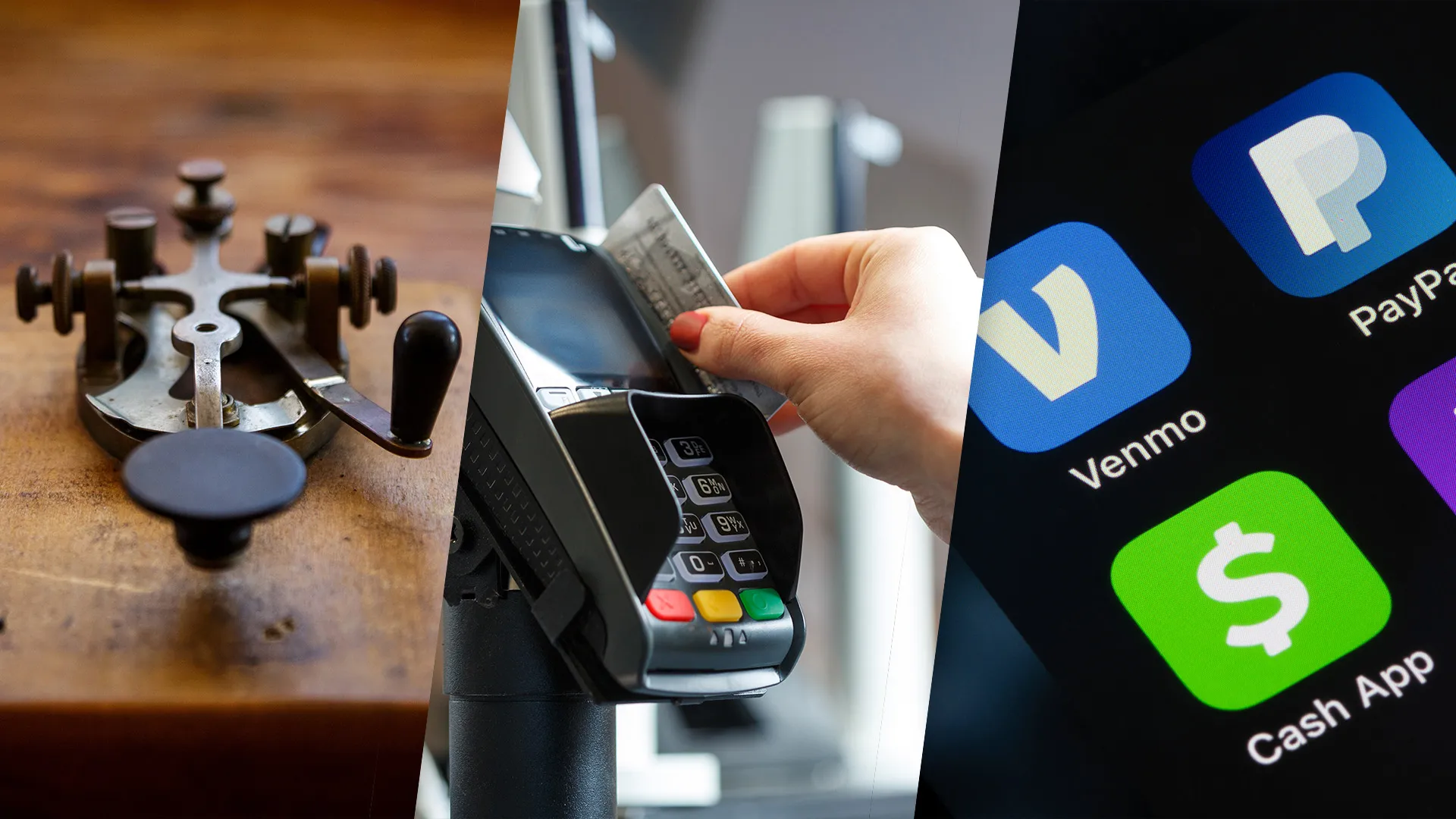
The way we make transactions has undergone a significant transformation in recent years. Gone are the days of cash and checks; digital payment systems have taken over, offering a convenient, secure, and efficient way to make transactions.
In this article, we’ll explore the world of digital payment systems, their benefits, and the different types of digital payment systems available.
What are digital payment systems?
Digital payment systems are electronic payment systems that enable individuals and businesses to make transactions online or through mobile devices. These systems use digital technologies, such as encryption, tokenisation, and authentication, to secure transactions and protect sensitive information.
Benefits of Digital Payment Systems
Digital payment systems offer numerous benefits, including:
1. Convenience: Digital payment systems are convenient and easy to use, allowing individuals and businesses to make transactions from anywhere, at any time.
2. Security: Digital payment systems use advanced security measures, such as encryption and tokenisation, to protect sensitive information and prevent unauthorised transactions.
3. Efficiency: Digital payment systems are fast and efficient, enabling individuals and businesses to make transactions quickly and easily.
4. Cost-effective: Digital payment systems are cost-effective, reducing the need for cash, checks, and other traditional payment methods.
5. Increased Accessibility: Digital payment systems increase accessibility, enabling individuals and businesses to make transactions from anywhere, at any time.
Types of Digital Payment Systems
There are several types of digital payment systems available, including:
1. Online Banking: Online banking enables individuals and businesses to manage their finances and make transactions online.
2. Mobile Payments: Mobile payments enable individuals and businesses to make transactions using their mobile devices.
3. Digital Wallets: Digital wallets, such as Apple Pay and Google Pay, enable individuals and businesses to store their payment information securely and make transactions online or in person.
4. Cryptocurrency: Cryptocurrency, such as Bitcoin and Ethereum, is a digital or virtual currency that uses cryptography for security and is decentralised, meaning it’s not controlled by any government or institution.
5. Contactless Payments: Contactless payments enable individuals and businesses to make transactions without the need for physical contact, using technologies such as NFC (Near Field Communication) and RFID (Radio Frequency Identification).
How Digital Payment Systems Work
Digital payment systems work by using a combination of technologies, including encryption, tokenisation, and authentication, to secure transactions and protect sensitive information. Here’s a step-by-step overview of how digital payment systems work:
1. Initiation: The transaction is initiated by the individual or business using a digital device, such as a computer or mobile phone.
2. Authentication: The individual or business is authenticated using a combination of passwords, biometric data, and other security measures.
3. Authorisation: The transaction is authorised, using a combination of encryption and tokenisation to secure the transaction and protect sensitive information.
4. Processing: The transaction is processed using a combination of digital technologies, such as encryption and authentication, to secure the transaction and protect sensitive information.
5. Settlement: The transaction is settled using a combination of digital technologies, such as encryption and authentication, to secure the transaction and protect sensitive information.
Security Measures in Digital Payment Systems
Digital payment systems use a combination of security measures, including:
1. Encryption: Encryption is used to protect sensitive information, such as payment card numbers and personally identifiable information.
2. Tokenisation: Tokenisation is used to replace sensitive information, such as payment card numbers, with a unique token or identifier.
3. Authentication: Authentication is used to verify the identity of the individual or business, using a combination of passwords, biometric data, and other security measures.
4. Secure Sockets Layer (SSL): SSL is used to encrypt data transmitted between the individual or business and the digital payment system.
5. Payment Card Industry Data Security Standard (PCI DSS): PCI DSS is a set of security standards designed to ensure that digital payment systems handle payment card information securely.
Conclusion
Digital payment systems have revolutionised the way we make transactions, offering a convenient, secure, and efficient way to pay for goods and services. With the rise of digital technologies, such as encryption, tokenisation, and authentication, digital payment systems have become increasingly secure, protecting sensitive information and preventing unauthorised transactions. As digital payment systems continue to evolve, we can expect to see even more innovative and secure payment solutions emerge.
Other stories
API Banking: Unlocking the Power of Open Banking
Fintech: Revolutionizing the Financial Services Industry
Blockchain Technology: A Secure and Transparent Way to Conduct Transactions
Online Banking Platforms: A Convenient and Secure Way to Manage Your Finances
Extended Warranty: Protecting Your Investments







1 thought on “Digital Payment Systems: A Convenient and Secure Way to Make Transactions”