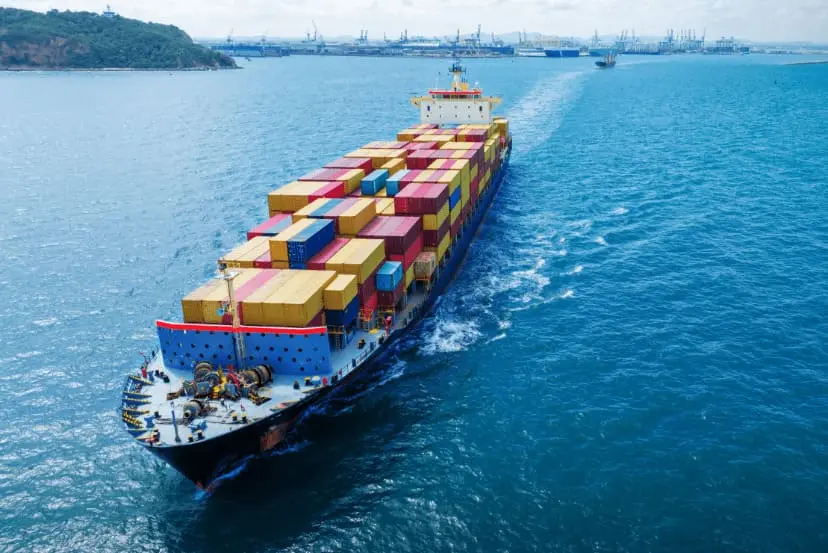
Understanding Marine Insurance: Protecting Your Maritime Interests
Marine insurance is a vital component of the global shipping industry, providing financial protection to shipowners, cargo owners, and other stakeholders against losses or damages incurred during maritime transportation.
With the increasing complexity of global trade and the risks associated with maritime transportation, marine insurance has become an essential tool for managing risk and ensuring business continuity .
Types of Marine Insurance
There are several types of marine insurance policies available, each designed to cater to specific needs and risks. Some of the most common types of marine insurance include [2]:
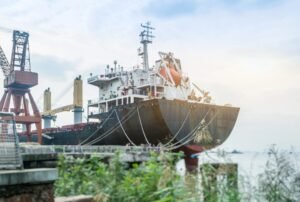
– Hull Insurance: Covers damage to the ship itself, including the hull, machinery, and equipment.
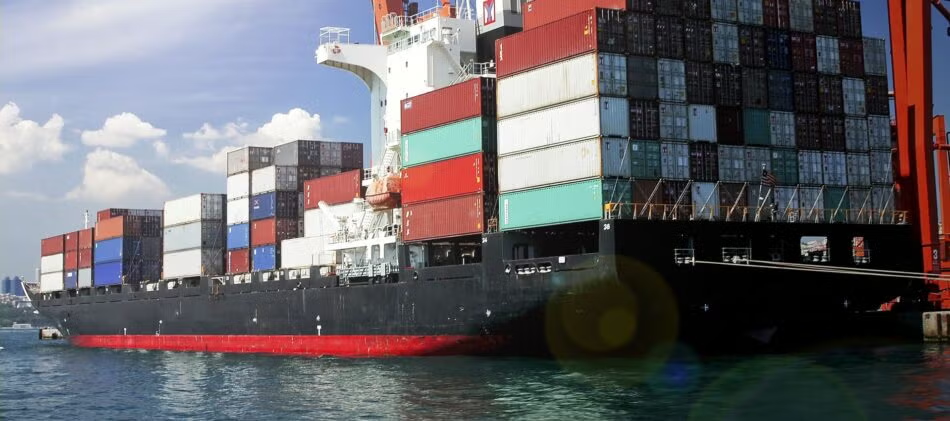
– Cargo Insurance: Covers loss or damage to goods being transported by sea, including goods in transit, storage, and handling.
– Liability Insurance: Covers shipowners’ liability for damages or losses caused to third parties, including passengers, crew, and other ships.
Benefits of Marine Insurance
Marine insurance provides numerous benefits to shipowners, cargo owners, and other stakeholders, including [3]:
– Financial Protection: Marine insurance provides financial protection against losses or damages incurred during maritime transportation, helping to mitigate the financial impact of unforeseen events.
– Risk Management: Marine insurance helps to manage risk by transferring the risk of loss or damage to the insurer, allowing businesses to focus on their core activities.
– Business Continuity: Marine insurance helps to ensure business continuity by providing financial support in the event of a loss or damage, enabling businesses to recover quickly and minimise downtime.
How Marine Insurance Works
Marine insurance policies typically work as follows:
– Policyholder: The policyholder is the party that purchases the marine insurance policy, typically the shipowner or cargo owner.
– Insurer: The insurer is the party that provides the marine insurance coverage, typically an insurance company or underwriter.
– Premium: The policyholder pays a premium to the insurer in exchange for the marine insurance coverage.
– Claim: If a loss or damage occurs, the policyholder can file a claim with the insurer to recover their losses.
Importance of Marine Insurance
Marine insurance is essential for several reasons
– Protection against Losses: Marine insurance provides protection against losses or damages incurred during maritime transportation, helping to mitigate the financial impact of unforeseen events.
– Compliance: Marine insurance is often required by law or regulation, and failure to comply can result in penalties or fines.
– Business Continuity: Marine insurance helps to ensure business continuity by providing financial support in the event of a loss or damage, enabling businesses to recover quickly and minimise downtime.
Marine Insurance in Ghana
In Ghana, marine insurance is an important aspect of the country’s maritime industry. The Ghana Shipping Act requires shipowners to have marine insurance coverage for their vessels. Additionally, many Ghanaian businesses rely on marine insurance to protect their goods and cargo during transportation [6].
Marine insurance is a vital component of the global shipping industry, providing financial protection to shipowners, cargo owners, and other stakeholders against losses or damages incurred during maritime transportation. By understanding the different types of marine insurance policies available and the benefits they provide, businesses can make informed decisions about their insurance needs and ensure they have adequate coverage in place.