Seaplane Insurance: Protecting Your Amphibious Investment
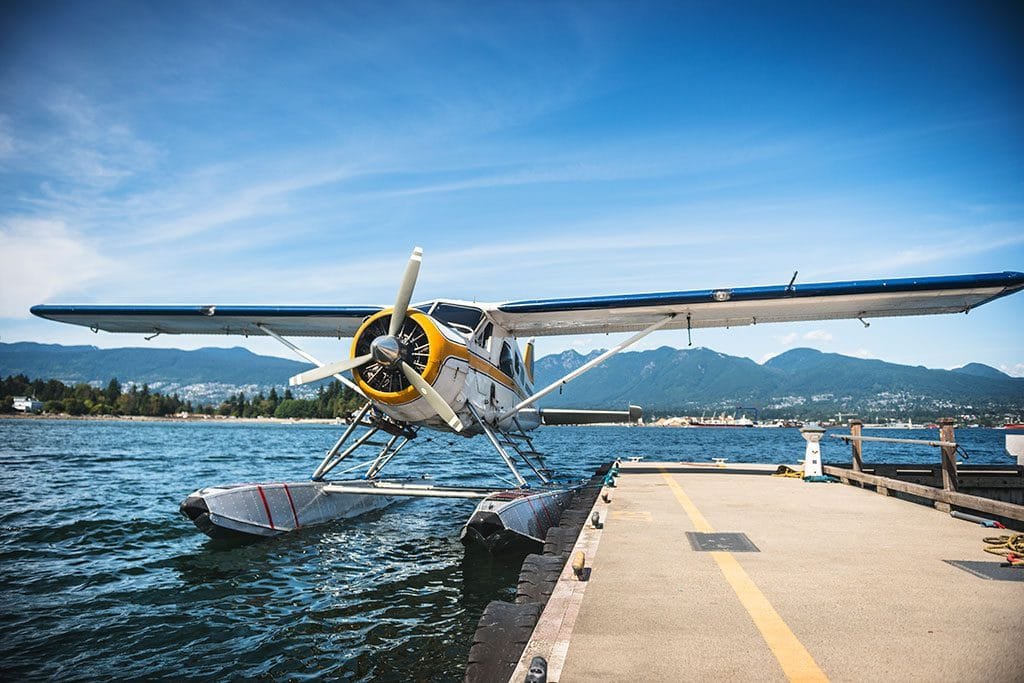
Seaplane insurance is a specialised type of insurance designed to protect seaplane owners and operators from various risks associated with amphibious flight operations.
Given the unique nature of seaplane operations, insurance coverage is crucial to mitigate potential risks and financial losses.
Types of Seaplane Insurance
1. *Hull Insurance*: Covers damage to the seaplane itself, including damage from accidents, weather events, or other external factors.
2. *Liability Insurance*: Covers damages or injuries to third parties, including passengers, crew members, or people on the ground or water.
3. *Passenger Liability Insurance*: Specifically covers passengers against injuries or fatalities during seaplane operations.
4. *Mooring and Storage Insurance*: Covers damages to the seaplane while moored or stored in a marina or hangar.
Factors Affecting Seaplane Insurance Premiums
1. *Type and Value of Seaplane*: More expensive or complex seaplanes typically require higher premiums.
2. *Pilot Experience and Training*: More experienced and trained pilots may qualify for lower premiums.
3. *Usage and Purpose*: Seaplanes used for commercial purposes, such as tourism or cargo transport, may require higher premiums than those used for personal recreation.
4. *Operating Environment*: Seaplanes operating in saltwater environments or areas with high winds or turbulence may require higher premiums.
Benefits of Seaplane Insurance
1. *Financial Protection*: Seaplane insurance provides financial protection against unexpected losses or damages.
2. *Risk Management*: Insurance coverage helps seaplane owners and operators manage risks associated with amphibious flight operations.
3. *Compliance*: Many regulatory bodies require seaplane insurance coverage for commercial operations.
4. *Peace of Mind*: Insurance coverage provides peace of mind for seaplane owners, operators, and passengers.
Unique Risks Associated with Seaplane Operations
1. *Water Landing Risks*: Seaplanes are exposed to unique risks associated with water landings, including damage from waves or debris.
2. *Corrosion Risks*: Seaplanes operating in saltwater environments are susceptible to corrosion, which can impact the airframe and engine.
3. *Weather Risks*: Seaplanes are vulnerable to weather conditions such as wind, waves, and storms, which can impact safe operation.
Choosing the Right Seaplane Insurance Policy
1. *Assess Your Needs*: Determine the type and level of coverage required based on your specific needs and operations.
2. *Research and Compare*: Research different insurance providers and compare policies, premiums, and coverage options.
3. *Consult with Experts*: Consult with insurance experts or brokers specializing in aviation insurance.
4. *Review and Update*: Regularly review and update your insurance policy to ensure it remains relevant and effective.
Seaplane insurance is a critical component of responsible seaplane ownership and operation. By understanding the types of insurance available, factors affecting premiums, and benefits of coverage, seaplane owners and operators can make informed decisions about their insurance needs. Whether for personal or commercial use, seaplane insurance provides financial protection and peace of mind, allowing operators to enjoy the unique freedom of amphibious flight.