Hull Insurance: Protecting Your Vessel's Physical Structure
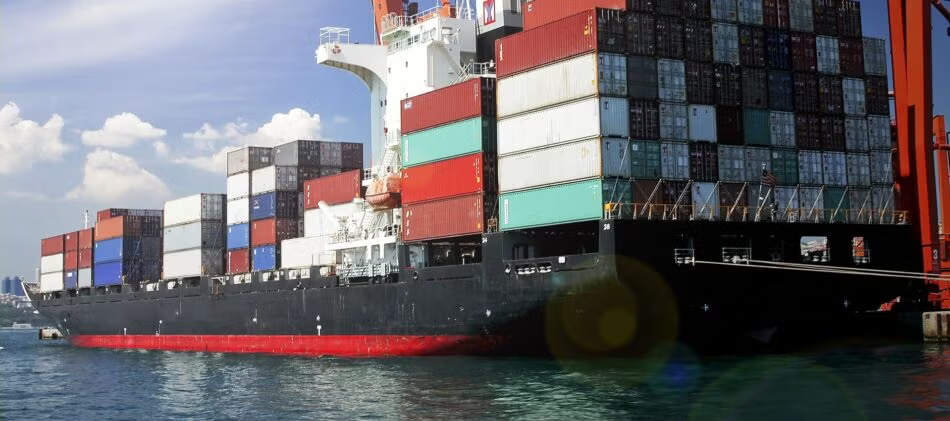
Hull insurance is a type of marine insurance that provides coverage for damages to the physical structure of a vessel, including the hull, machinery, and equipment.

This type of insurance is essential for shipowners, operators, and other maritime businesses that rely on their vessels to generate revenue.
What is Hull Insurance?
Hull insurance provides financial protection against losses or damages to the vessel’s hull, machinery, and equipment. This can include damages caused by accidents, natural disasters, or other perils. Hull insurance can be tailored to meet the specific needs of the vessel owner or operator and can provide coverage for a wide range of vessels, from small boats to large commercial ships.
Benefits of Hull Insurance
Hull insurance provides several benefits to vessel owners and operators, including:
1. *Financial Protection*: Hull insurance provides financial protection against losses or damages to the vessel, reducing the financial impact of accidents or other incidents.
2. *Risk Management*: Hull insurance helps to manage the risks associated with vessel ownership or operation, allowing owners and operators to focus on their business without worrying about the financial consequences of accidents or other incidents.
3. *Compliance*: Many countries require vessel owners to have insurance coverage for their vessels, and hull insurance can help ensure compliance with these regulations.
4. *Peace of Mind*: Hull insurance can provide peace of mind for vessel owners and operators, knowing that they are protected against unexpected losses or damages.
Types of Hull Insurance Policies
There are several types of hull insurance policies available, including:
1. *Total Loss Only (TLO)*: This type of policy provides coverage for total losses only and does not provide coverage for partial losses.
2. *Partial Loss*: This type of policy provides coverage for partial losses and can be tailored to meet the specific needs of the vessel owner or operator.
3. *All Risks*: This type of policy provides coverage for all risks, except for those specifically excluded in the policy.
How Hull Insurance Works
Hull insurance works by providing coverage for damages to the vessel’s hull, machinery, and equipment. The insurance policy will typically specify the terms and conditions of the coverage, including the premium, deductible, and coverage limits.
Choosing the Right Hull Insurance Policy
When choosing a hull insurance policy, it’s essential to consider several factors, including:
1. *Coverage Limits*: The policy should provide adequate coverage limits to protect against potential losses or damages.
2. *Deductible*: The deductible should be reasonable and manageable for the vessel owner or operator.
3. *Premium*: The premium should be competitive and affordable for the vessel owner or operator.
4. *Reputation of the Insurer*: The insurer should have a good reputation and experience in providing hull insurance coverage.
Hull Insurance Claims Process
If a vessel owner or operator experiences a loss or damage to their vessel, they can file a claim with their insurance provider. The claims process typically involves:
1. *Notifying the Insurer*: The vessel owner or operator should notify the insurer as soon as possible after the incident.
2. *Providing Documentation*: The vessel owner or operator will need to provide documentation to support their claim, including evidence of the damage or loss.
3. *Assessment*: The insurer will assess the claim and determine the extent of the damage or loss.
4. *Settlement*: The insurer will settle the claim based on the terms and conditions of the policy.
Conclusion
Hull insurance is a critical component of any vessel owner’s or operator’s risk management strategy. By understanding the benefits and types of hull insurance policies available, vessel owners and operators can make informed decisions about their insurance coverage and ensure that they are protected against unexpected losses or damages.
Other stories
Ship Insurance: Protecting Your Maritime Investments
Marine Cargo Insurance for International Trade: What You Need to Know
Understanding Marine Insurance: Protecting Your Maritime Interests
Helicopter Insurance: Protecting Your Investment
Understanding APR (Annual Percentage Rate): A Comprehensive Guide